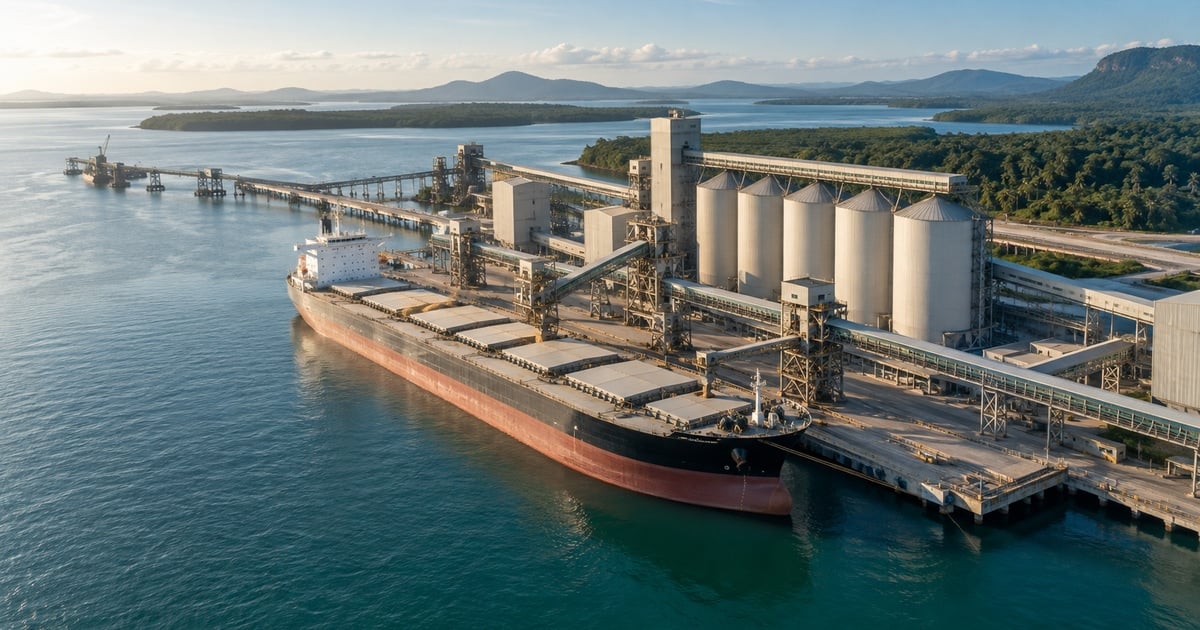

ACWA Power has secured SAR 9.69 billion in financing for the Rabigh 2 power plant expansion in western Saudi Arabia, according to a company disclosure published on 4 October. The planned combined-cycle gas plant has a production capacity of 2,313.5 megawatts.
The financing was obtained on 1 October by project company Al Morjan Two Electricity Company and runs for approximately 34 years. ACWA Power holds an effective 40 percent stake in the project. The financing milestone and the announcement date are distinct: the money was secured three days before the disclosure.
The lending group brings together Saudi, regional and international banks. It includes Alinma Bank, Riyad Bank, Saudi Awwal Bank and Saudi National Bank, alongside Abu Dhabi Commercial Bank, Boubyan Bank and Commercial Bank of Dubai. HSBC Bank Middle East, ICBC and Standard Chartered Bank Taiwan are among the international participants listed in the company disclosure carried by Mubasher.
Financing secured, operating income still ahead
ACWA expects the project’s financial impact from operations to be reflected from the second quarter of 2029 onwards. That is the company’s forecast, rather than a confirmed start of operations. Financial close establishes the financing milestone; it does not mean the plant is already producing electricity.
For engineering firms and equipment suppliers assessing the project, the disclosure provides a named project company, a capacity figure and a funding amount. It does not identify suppliers or announce new procurement awards. Those commercial opportunities need their own contract notices and construction updates before businesses can treat them as orders.
The financing guarantees described for ACWA are limited to standby equity and a reserve account. The disclosure does not quantify those commitments, so it does not establish a monetary ceiling for the company’s total project exposure.
The plant is described as ready for carbon capture units to be built. That readiness does not confirm that capture equipment has been installed or will be operating when generation begins. Investors and businesses following the project should watch for separate construction, commissioning and carbon capture disclosures, while keeping the company’s 2029 operating-impact forecast in view.